
Emergency & Exit Lighting Testing
Exit signs and emergency lights are the systems that get people out of your building when the power fails — and codes require them to be tested regularly: monthly 30-second function tests and an annual 90-minute full-discharge test under NFPA 101 and OSHA rules. Our directory connects you with contractors who test, repair, and install emergency lighting, often bundled with extinguisher or alarm service visits.
Failed batteries are the most common deficiency found in fire marshal inspections. A service contract that tests every unit and replaces batteries and lamps on schedule is inexpensive insurance against citations — and against the real risk of a dark stairwell in an emergency.
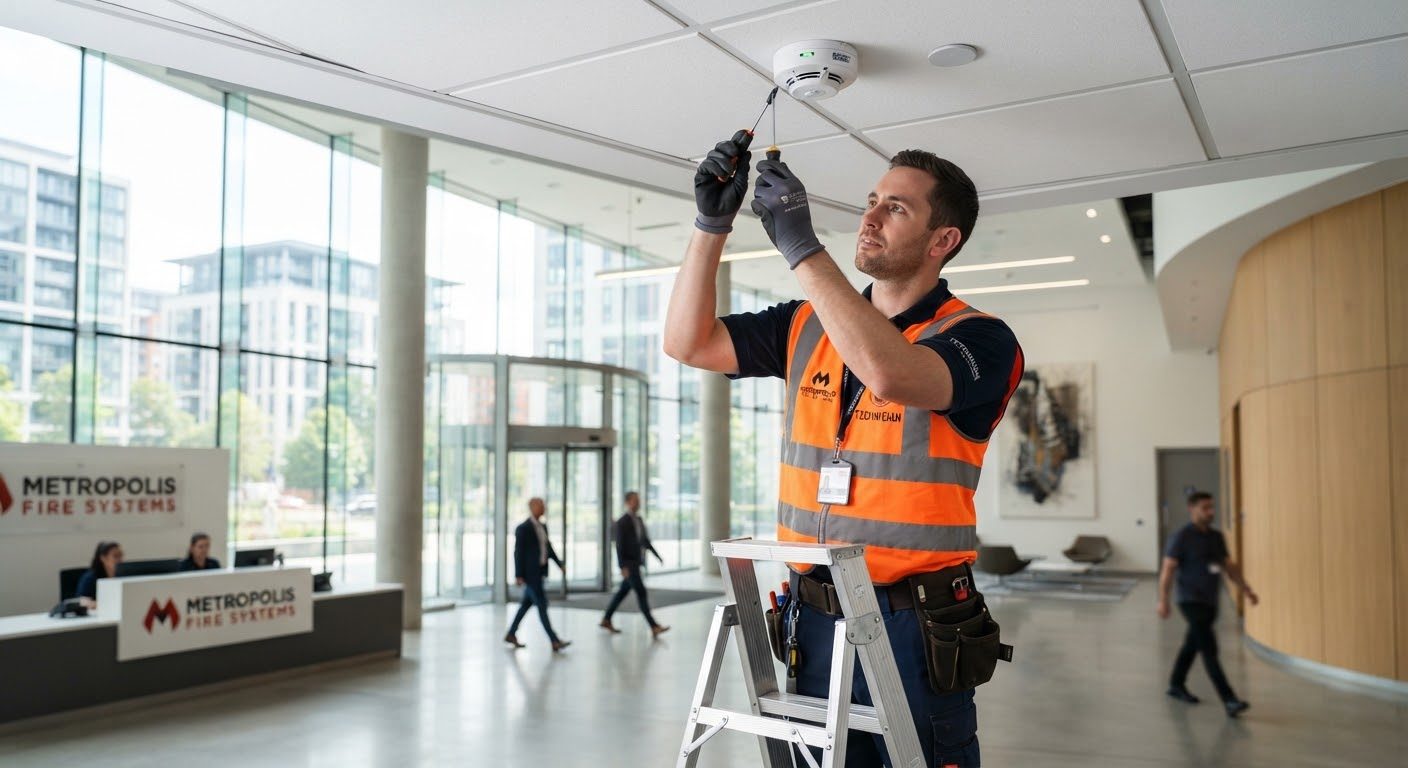
What these contractors handle
- Monthly 30-second and annual 90-minute discharge testing
- Battery, lamp, and fixture replacement
- New exit sign and emergency light installation and layout per code
- Photoluminescent egress marking
- Combined service visits with extinguisher or alarm inspections
- Written test records for the fire marshal
Code-required service schedule
Schedules summarize national NFPA standards; your local fire code and AHJ requirements control. Verify specifics with a licensed local contractor.
Find a licensed contractor near you
Compare local pros, check license credentials, and contact them directly — free.
Find a Pro